

Signs & Symptoms

What are the signs and symptoms of Primrose Syndrome?
Primrose Syndrome affects multiple body systems, and symptoms can vary widely in type and severity from person to person. Below is a summary of some common features. Not every child will have all of these symptoms, and symptoms are not limited to this list.
-
Common neurological findings include:
Macrocephaly (large head size), often present at or shortly after birth
Seizures in a minority (about 20–22%)
Brain MRI changes, such as:
Changes in the corpus callosum (the band of fibers connecting both sides of the brain)
Delayed myelination
Brain calcifications in some individuals
What families can do:
Consider establishing care with a neurologist to learn about recognizing seizure activity.
See a neurologist if your child has seizures, unusual movements, changes in awareness, or new neurologic symptoms. Seizures usually respond to standard anti-seizure medications, but management should be guided by a neurologist.
-
Most individuals have:
Intellectual disability (ID) – reported in essentially all individuals, ranges from mild to severe
Speech delay, often severe expressive speech delay
Many children understand more than they can say; receptive language (what they understand) is often stronger than expressive language (what they can say).
Motor delay – sitting, crawling, and walking usually happen later than average, often related to low muscle tone (hypotonia). Most children eventually learn to walk, often by age 2–3 years.
Educational needs:
Most children benefit from early intervention, special education, and an Individualized Education Plan (IEP), and speech, physical, and occupational therapies.
-
Primrose syndrome frequently affects the body’s hormone and glucose regulation making individuals at risk for:
Disrupted glucose metabolism (blood sugar) and early onset diabetes, often requiring oral medications or insulin
Thyroid problems, including congenital or childhood-onset hypothyroidism in some individuals
Growth hormone deficiency in a small number of cases
Delayed puberty (average puberty onset around age 16 years)
Sparse body hair in both males and females
Cryptorchidism (undescended testicles) in about half of males
What this means:
Consider establishing care with an endocrinologist early on and have routine monitoring of blood sugar, thyroid function, and growth and development
-
Behavioral and neurodevelopmental concerns are common, including:
Autism spectrum features (social communication differences, restricted/repetitive behaviors)
Attention-deficit/hyperactivity disorder (ADHD)
Temper tantrums, self-injurious behaviors, or aggression in some individuals
Sleep problems and anxiety or mood symptoms
Children often benefit from:
Developmental pediatrics or child psychiatry
Behavioral therapies (e.g., applied behavior analysis for autism)
Sleep strategies and sometimes medication, guided by specialists
-
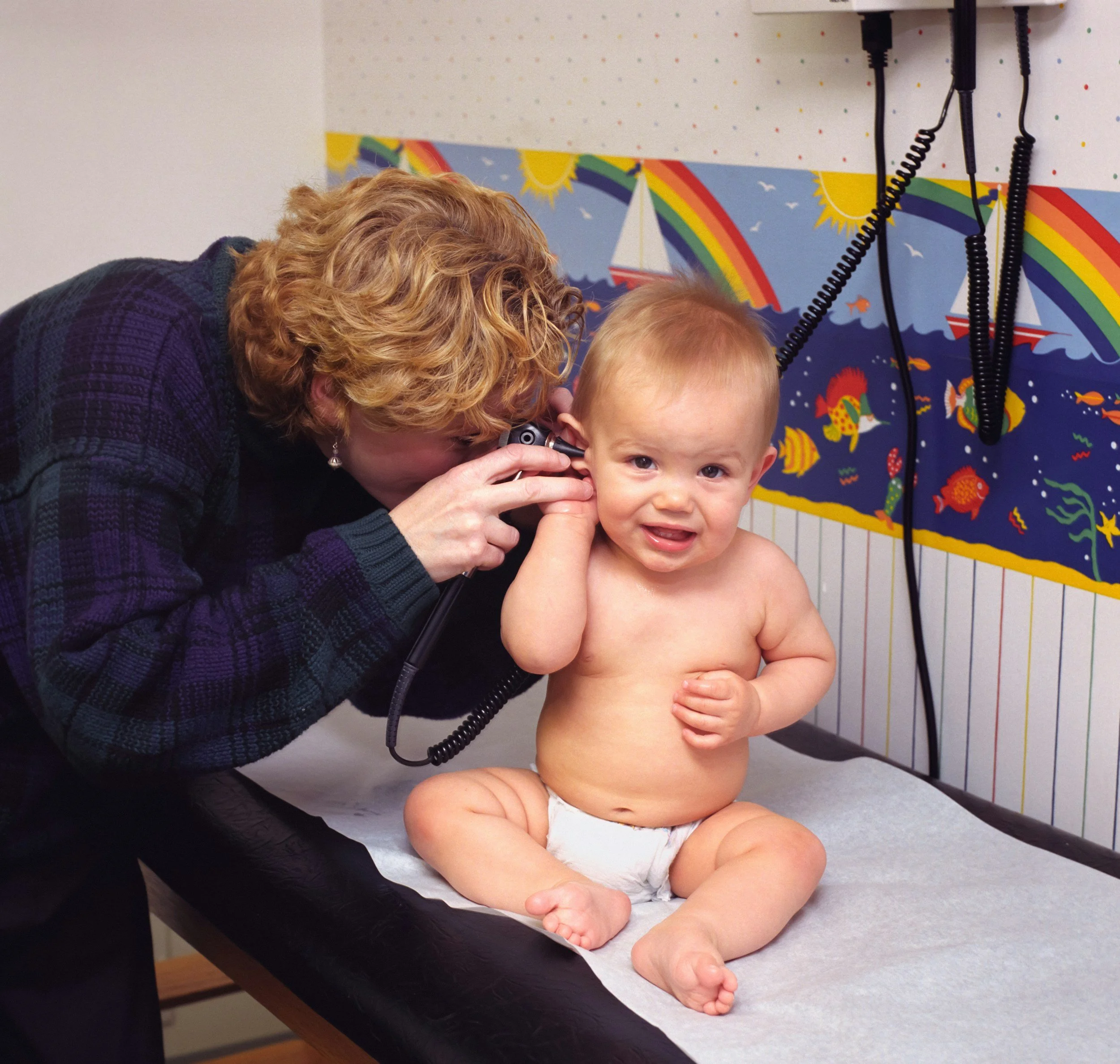
Hearing loss is very common. Most cases are mild–moderate sensorineural hearing loss. Regular hearing checks are important because hearing impacts speech and learning.
Vision issues can include:
Cataracts (clouding of the lens) – sometimes present in childhood or later in adulthood
Strabismus (eyes not aligned)
Ptosis (droopy eyelids)
Less commonly, glaucoma or other eye abnormalities
Why this matters:
Hearing and vision strongly affect speech, learning, and behavior, so regular hearing and eye exams are important.
-
Over time, many people develop progressive (worsening over time) musculoskeletal problems, such as:
Distal muscle wasting (weakness), especially in the legs and lower body
Flexion contractures (joints become stiff and bent) of knees and elbows
Gait difficulties, ataxia (unsteady walking), and hip or knee deformities (e.g., bowlegs or knock-knee)
These changes can make walking harder and over time may develop the need for branches, walkers, or wheelchairs.
Early evaluation by orthopedics, physical medicine & rehabilitation, and ongoing PT/OT can help maintain function and comfort.
-
Common physical findings may include:
Characteristic facial features: high hairline, deeply set eyes, droopy eyelids (ptosis), downslanted eye openings, broad jaw, large ears, and high palate with a bony ridge (torus palatinus).
Macrocephaly (larger head size) in most children and many adults
Calcified ear cartilage (outer ear feels firm or “crunchy”) – a classic but not universal feature
Less frequent findings: heart issues (e.g., pulmonary artery stenosis), immune abnormalities, and rare cancers have been reported in isolated cases.
Primrose syndrome is considered a progressive neurodevelopmental and neuromuscular condition, meaning some features can worsen over time. Existing research suggests symptoms that are more likely to worsen over tine include:
Muscle wasting and joint contractures
Mobility difficulties and balance problems
Endocrine/metabolic issues such as diabetes
Hearing and sometimes vision issues

Not all symptoms are clearly progressive. While more research is needed, there is some evidence that the following symptoms are less likely to progress.
Intellectual disability and learning differences are usually present from early childhood and may remain relatively stable in severity over time.
Some individuals maintain functional walking into adulthood; others gradually need mobility aids.
Life expectancy is still not well understood due to the small number of adults reported; the oldest published individual is in their early 50s
Because of these uncertainties, regular follow-up with specialists is crucial to catch changes early and support quality of life.