Research Initiatives

Turning Our Community & Research Roadmap Into Action
Beyond Primrose ZBTB20 Foundation is building a coordinated research strategy to better understand Primrose Syndrome, improve care, and create a path toward future treatments.
Guided by our Community & Research Roadmap, we work alongside individuals and families, clinicians, researchers, and collaborative partners to build the knowledge, data, research tools, and partnerships needed to move Primrose Syndrome research forward.
Our work is designed to connect lived experience with clinical expertise and scientific discovery. Individuals with Primrose Syndrome and their families help identify unmet needs, shape priorities, participate in research, and define the outcomes that matter most.
Disease Understanding & Research Infrastructure
Building the foundation for meaningful research
Before better care and new treatments can be developed, we need to better understand Primrose Syndrome—how it affects individuals across the lifespan, why experiences differ from person to person, and how changes in ZBTB20 affect biological function.
Beyond Primrose is working with families and research partners to build the data, biological resources, research models, and scientific knowledge needed to answer these questions and support future patient-centered and therapeutic research.

Natural History Study — ACTIVE
Our longitudinal Natural History Study, launched in partnership with COMBINEDBrain, collects health, developmental, and lived-experience information over time to build a clearer understanding of how Primrose Syndrome presents and changes across the lifespan.

Contact Registry
Joining the contact registry does not mean enrolling in a research study. Instead, it is a valuable tool for keeping families connected and informed. With your permission, it also allows researchers to contact individuals who may be interested if future studies become available.
Our contact registry is a secure way for individuals and families affected by Primrose Syndrome to share basic contact information with our foundation. It helps us provide updates about research opportunities, community events, educational resources, and potential studies—without sharing personal information publicly.

Patient-Derived Models & Functional Research
Patient-derived cells and functional studies can help researchers investigate how ZBTB20 variants affect cellular function and biological pathways. Current and developing efforts include fibroblast studies, functional assays, and the development of additional disease models.

Building Research Resources
We are working toward additional research resources—including patient-derived models, biobanking, and other tools—that can help researchers study Primrose Syndrome and strengthen future research opportunities.

Biomarker Exploration
Beyond Primrose is exploring potential biological measures that may help researchers better understand disease mechanisms, differences among individuals, and measures that could be useful in future research.

Drug Repurposing
Drug repurposing studies whether medications already approved for other conditions might help people with Primrose Syndrome. Researchers test these existing drugs in Primrose-specific cell models to see if they can improve how the ZBTB20 gene functions or reduce the effects of gene changes. Because these medications already have known safety profiles, this approach can move more quickly than developing new drugs from scratch, offering a hopeful, practical path to potential therapies.
Research Highlight

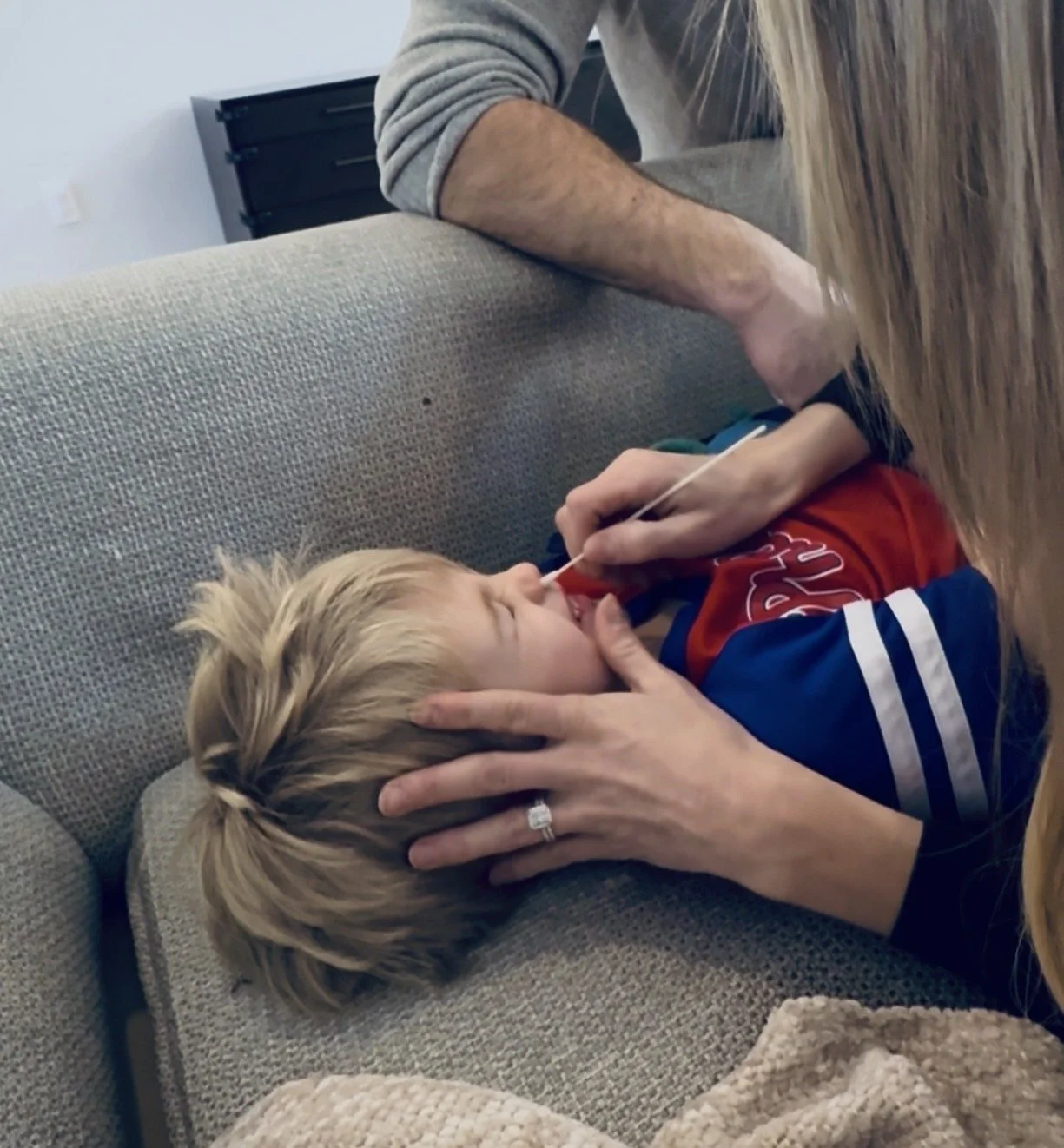
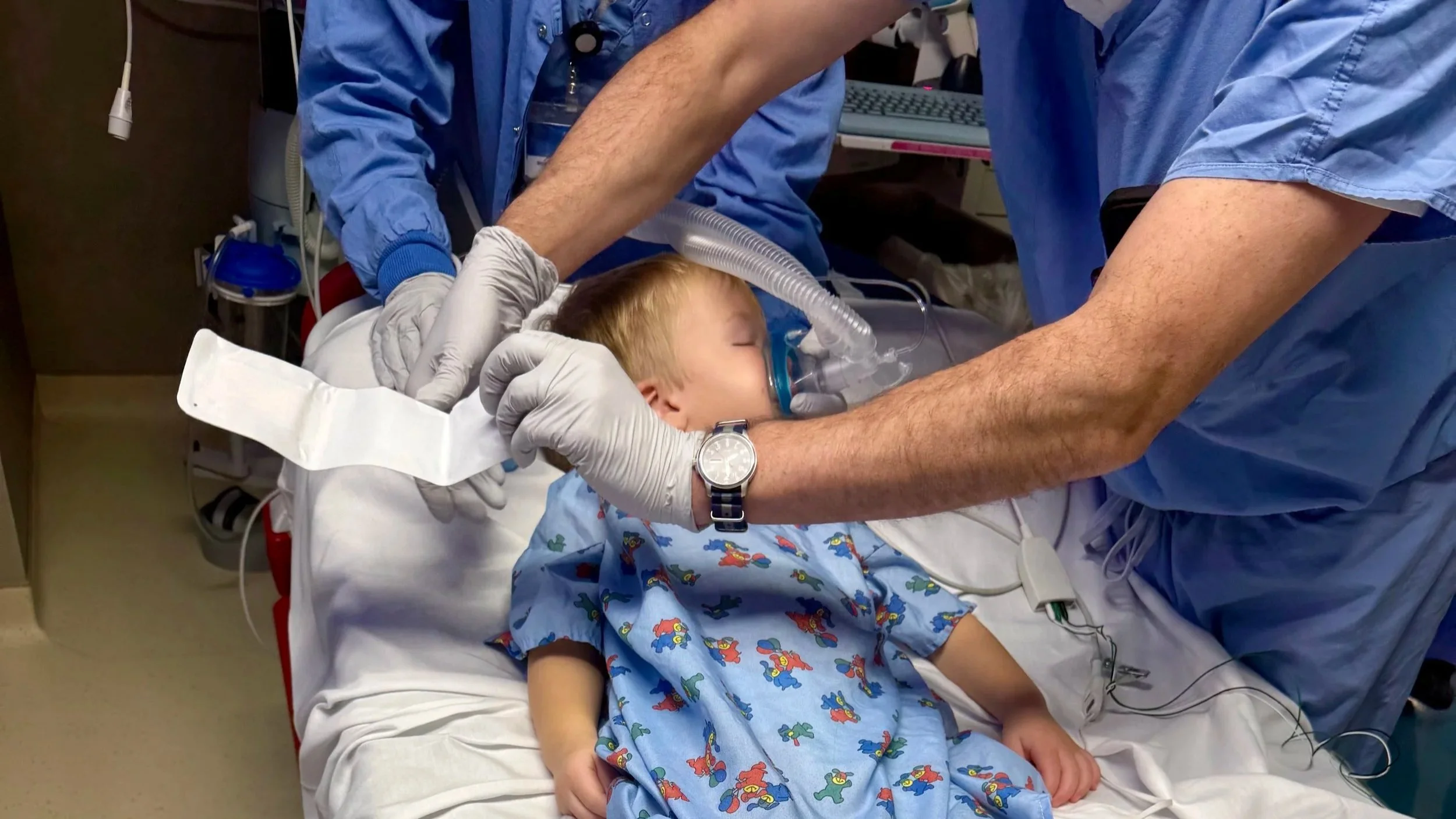
In December of 2025 we partnered with both Mayo Clinic and Unravel Biosciences for a novel collaboration for Primrose Syndrome drug repurposing study. Read below to see what this means for our Primrose community.
Drug Repurposing
A Faster Path to Hope
Partnership with Mayo Clinic (BabyFORCE Study)
A Primrose patient has enrolled in the BabyFORCE study, where a small skin biopsy was used to create patient-derived fibroblast cells. These cells help researchers understand how ZBTB20 is affected and allow AI-driven screening of FDA-approved medications. Promising drugs are carefully reviewed for safety and tested directly on the patient’s cells.
Partnership with Unravel Bioscience
The same patient (and his brother-as a control) joined Unravel Bio’s RareShift program. After collecting DNA using at-home nasal swabs, researchers are now analyzing the boys RNA and screening FDA-approved drugs and small molecules, vitamins, dietary compounds, and over-the-counter agents for potential therapeutic benefit.
Bringing It All Together
Through Beyond Primrose’s efforts, Mayo Clinic and Unravel Biosciences are working together to compare findings and strengthen promising treatment leads. While nothing is guaranteed, this represents a hopeful first step toward future therapies—guided by science and carried out with careful medical oversight.
By advancing this novel work, we have the potential to move the field forward and get closer to answers, options, and meaningful progress for children and families living with Primrose Syndrome.
Gene Therapies
Treatments that target the faulty gene itself to address the root cause, not just symptoms
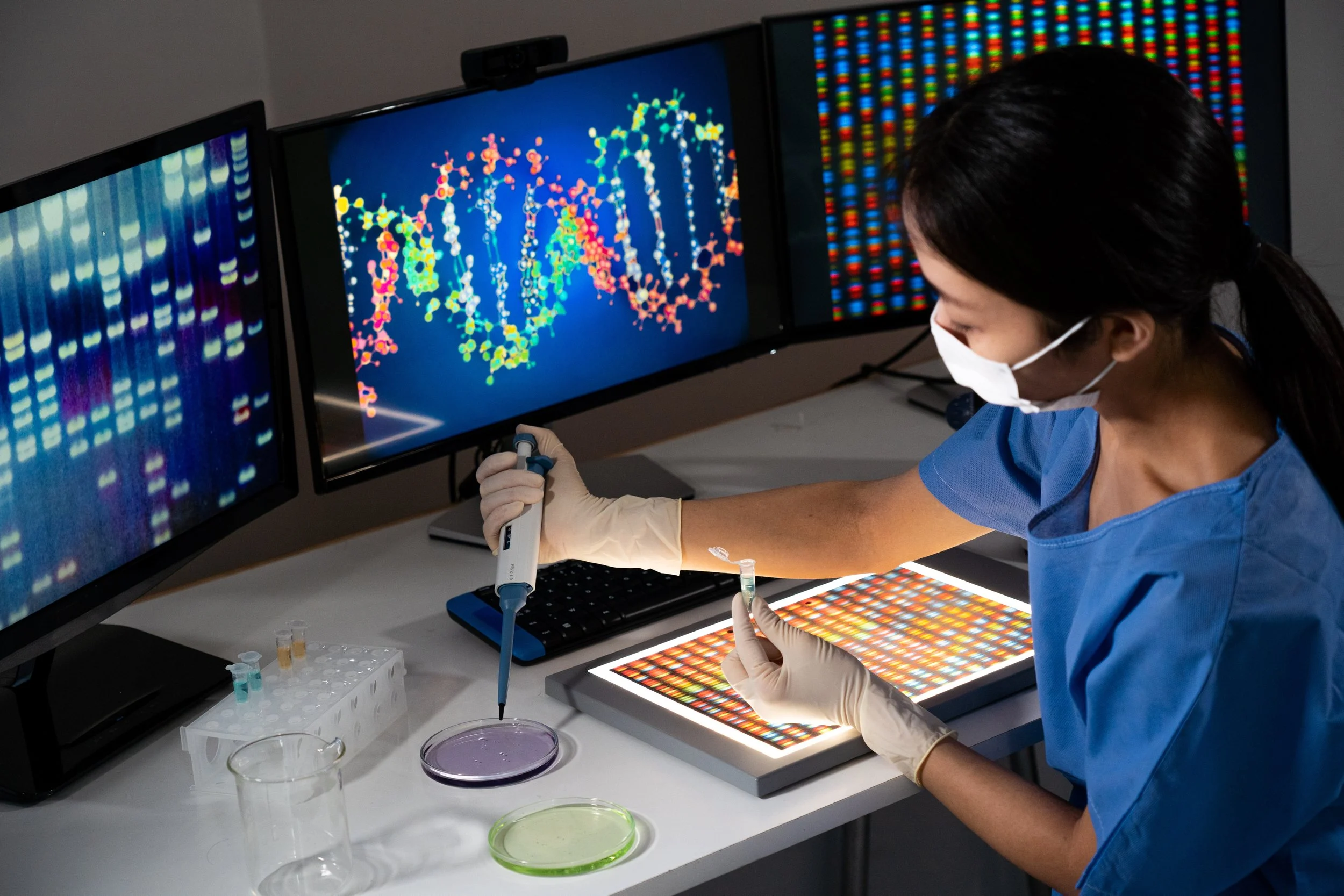
Gene therapies aim to correct or replace the faulty ZBTB20 gene so cells can function more normally. By targeting the root cause of Primrose Syndrome, these approaches have the potential to offer longer-lasting, more meaningful treatment than symptom-based care alone.
Support Primrose Research
Every donation supports research that brings answers and future treatments closer for Primrose families.